

Mobility
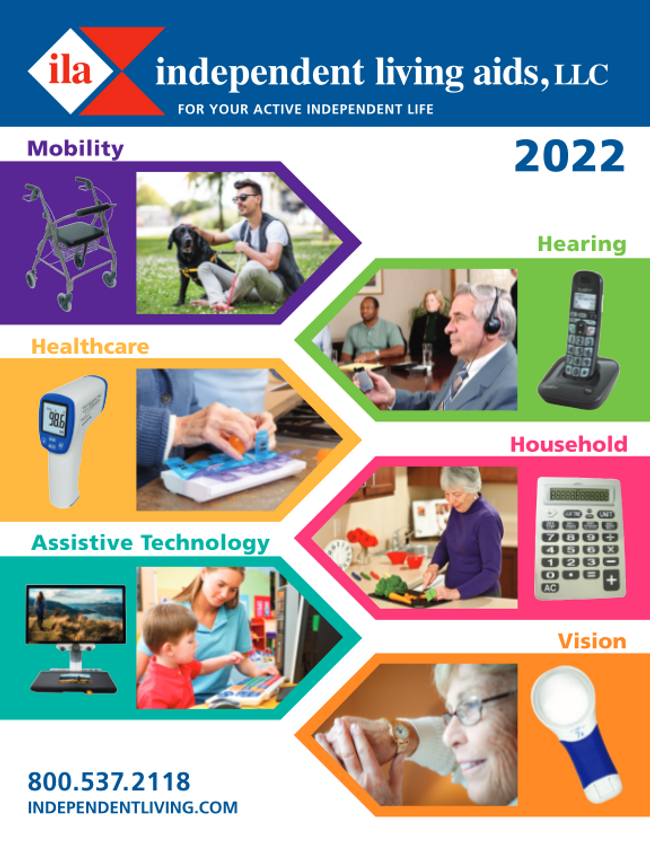
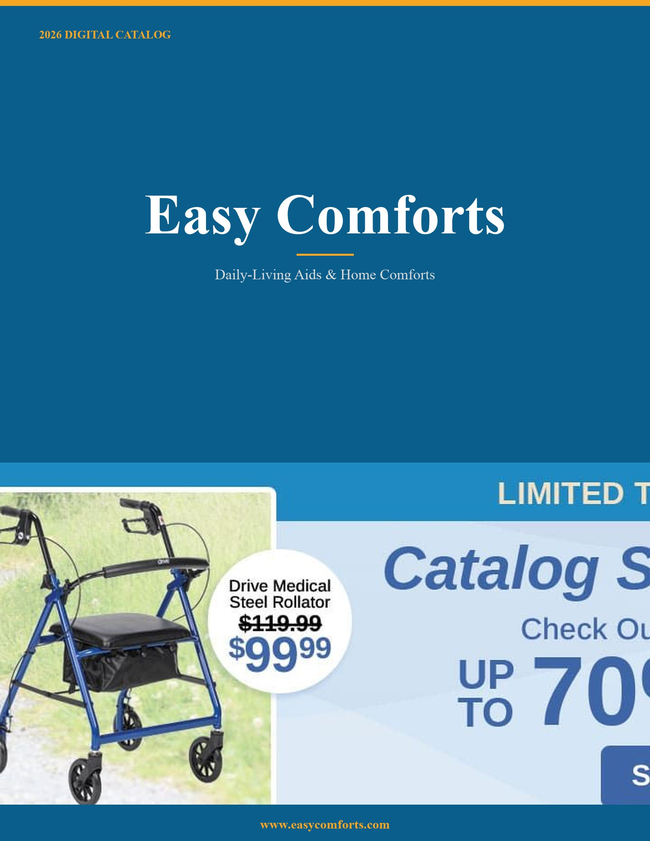
Checkout our Senior Living Catalogs, Rugs & Flooring, Mobility, and Personal Care Aid and Senior Health. Really helpful for our senior loved ones.

.jpg?w=3840 "Order Free Catalogs from HME Medical")
Popular Savings Offers


Up to 60%
Save up to 60% on clearance

Chadwicks

Free Catalog
Get FREE Catalog to browse 4 Ways to Help Lower Your Medicare Drug Costs products
.jpg)
4 Ways to Help Lower Your Medicare Drug Costs
$10 OFF Plus Free Shipping
$10 OFF Plus Free Shipping
.png)
Blair Catalog
Free Shipping
Free shipping on orders over $99

Lands' End - Home
Free Catalog
Get FREE Catalog to browse Your Guide to Medicare Prescription Drug Coverage products

Your Guide to Medicare Prescription Drug Coverage
In the News

Best Outdoor Adventures For Families This Summer
by Editorial StaffNo sense staying indoors during the nice, warm summer months. Sure, there’s a time and place for lounging, but all that Vitamin D coming down […]

What Ever Happened To The Figi’s Gifts Catalog?
by Catalogs Editorial StaffIf you’re wondering if you can still order a Figi’s Gifts Catalog, well, you may not find it in print. But, here are some similar catalogs.
Maintaining independence at home or in the community is a priority for people managing mobility limitations, whether from aging, injury, or chronic conditions. Mobility product catalogs bring together a broad range of assistive equipment—from compact folding canes to power scooters—with the kind of detailed specifications that help shoppers and caregivers make confident, well-informed choices. Browsing from home also removes the physical barriers that can make visiting a medical supply retailer difficult for people who most need the products.
Understanding Your Mobility Equipment Options
Mobility aids span a wide spectrum of function and complexity. At the lighter end, canes, trekking poles, and simple forearm crutches support people who need occasional balance assistance. Rolling walkers with hand brakes and built-in seats serve those who need more consistent support and a place to rest during longer outings. Manual and power wheelchairs address more significant mobility limitations, while compact scooters offer an electric-powered alternative for people who can transfer independently but struggle with extended walking. Catalog descriptions that include weight capacities, turning radii, and folded dimensions help match a device to a person's specific living environment and transportation needs.
Home Accessibility and Supportive Products
Mobility equipment extends beyond wheeled devices and walking aids. Home modification products—grab bars, transfer benches, raised toilet seats, threshold ramps, and stair lifts—address the fixed barriers that turn familiar spaces into hazards. Catalogs that organize these products by room or function make it easier to assess a home systematically and prioritize the modifications that will deliver the greatest safety benefit. Consider reach extenders, bed rails, and dressing aids as well; these smaller items often provide a meaningful boost to daily independence that a larger piece of equipment cannot address on its own.
Shopping Tips for Mobility Products
Insurance coverage for mobility equipment varies, so confirm what documentation your plan requires before ordering. Many catalogs provide product codes used in insurance submissions, which simplifies the reimbursement process. When evaluating powered equipment, pay close attention to battery range, maximum incline rating, and the service and warranty terms—repair access matters for equipment used daily. If purchasing for someone else, involve that person in the selection process whenever possible; comfort preferences, grip strength, and seated posture all influence which specific model will actually be used rather than stored in a corner.