

Business to Business
Spare your revenue on the things you need to operate with our business to business and wholesale catalogs. From uniforms to printing and more, we have what you need!
.png?w=3840 "Order Free Catalogs from Priester's Pecans")








.png?w=3840 "Order Free Catalogs from Mrs. Fields")










.jpg?w=3840 "Order Free Catalogs from HME Medical")
Popular Savings Offers
Free e-Catalog
Order Your FREE Catalog
.png)
Priester's Pecans
Free Catalog
Order you Free Catalog
.png)
abc distributing ®

Free Catalog
Order Your FREE Print Catalog

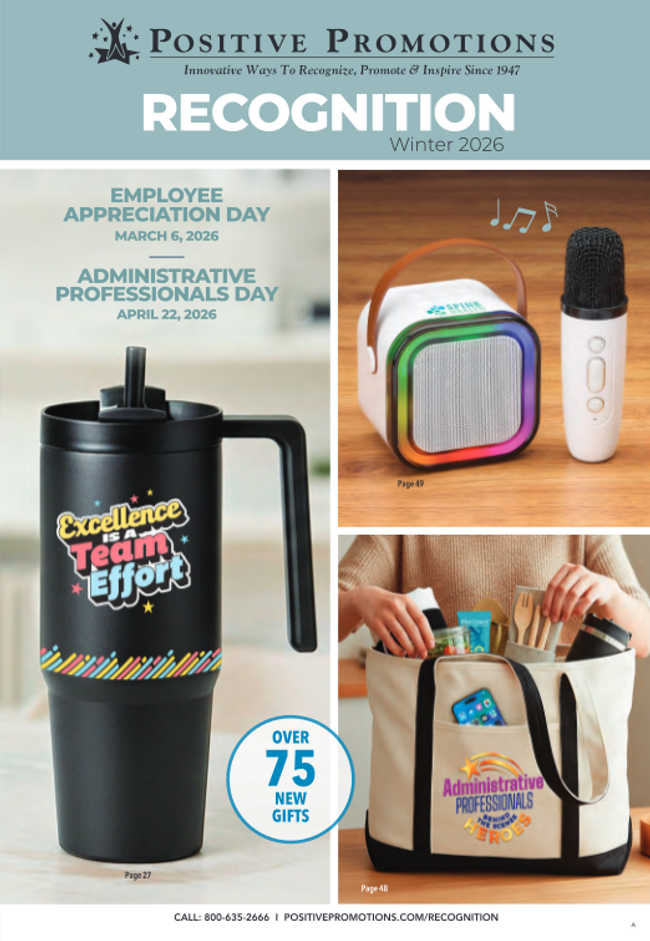
Positive Promos B2B
Free Shipping
Free Shipping

SF Cable
.png)


Up to 60% OFF
60% off Clearance

Relax The Back

$20 OFF
Get $20 Off orders of $125+

Pit Pal Products
Free Shipping
Get Free Shipping on orders of $40

Aroma Naturals - Wholesale
In the News

What Happened to the ABC Distributing Catalog, Is It Still Available?
by Catalogs Editorial StaffThe ABC Distributing catalog was bought out by LTD Commodities. But, the same great products and excellent service are still offered!

How to Decorate a Home Office in Style: A List of Essentials, and 10 Inspiring Office Decor Catalogs
by Catalogs Editorial StaffWorking a nine to five is no longer the norm for many people who have opted to make a living from the comfort of their homes.
Procurement teams and office managers operate under constant pressure to source the right goods at the right price without disrupting operations. Business-to-business catalogs address that need directly, putting office supplies, industrial equipment, technology products, and commercial-grade furniture in front of buyers who need practical specifications and reliable fulfillment — not consumer-focused marketing. Browsing a dedicated B2B catalog lets purchasing professionals compare options across categories, evaluate bulk pricing, and establish reorder relationships with suppliers who understand commercial timelines.
What to Look for in a Business Supply Catalog
A strong B2B catalog goes beyond listing products — it provides specification details that consumer catalogs often omit: load ratings on shelving, duty cycles on printers, compatibility notes on technology accessories. When evaluating catalog suppliers, check whether they publish volume price breaks, minimum order quantities, and lead times for custom or made-to-order items. Organizations that standardize on specific products benefit from suppliers who can maintain consistent stock across multiple reorders, so availability history matters as much as current pricing.
Buying in Volume: Efficiency and Cost Control
Your business can realize meaningful savings by consolidating repeat purchases through a single catalog supplier rather than piecing together orders from multiple retail sources. Bulk purchasing of consumables — paper, toner, cleaning supplies, packaging materials — locks in per-unit costs and reduces the administrative overhead of frequent small orders. Many B2B catalogs also offer account-based ordering, which simplifies expense tracking and makes end-of-period reconciliation faster. For large organizations, negotiating blanket purchase agreements through catalog suppliers gives procurement teams price certainty across a budget cycle.
Using Catalogs to Manage Diverse Purchasing Needs
Business purchasing rarely stays in one category. The same procurement manager responsible for restocking breakroom supplies might also be sourcing safety equipment, branded promotional items, or ergonomic workstation accessories in the same month. B2B catalogs that span multiple product categories allow your team to consolidate those purchases under fewer vendor relationships, which simplifies accounts payable and can qualify the organization for broader volume discounts. Reviewing catalog offerings regularly also surfaces newer products that may replace costlier or less efficient solutions already in use at your organization.