

Interior Design
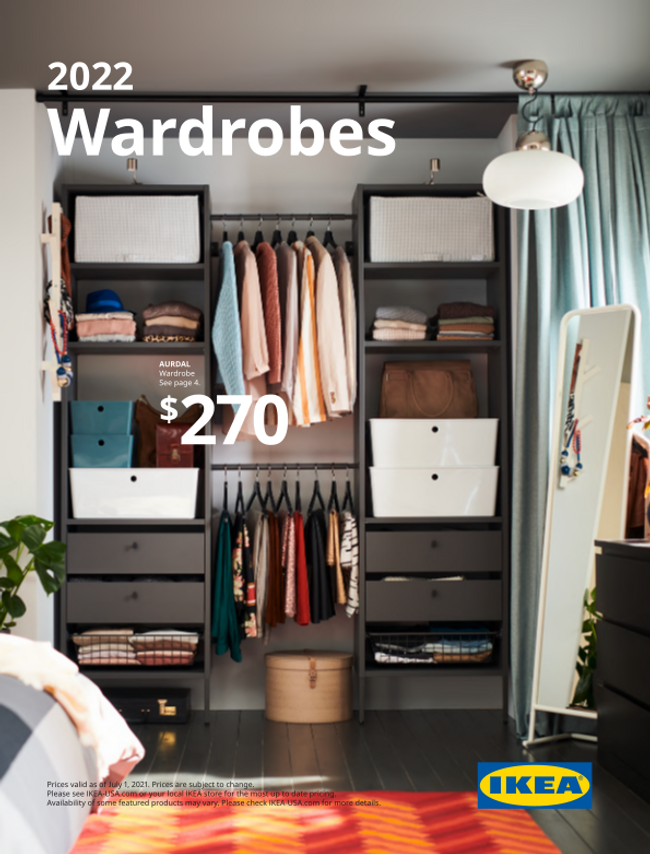
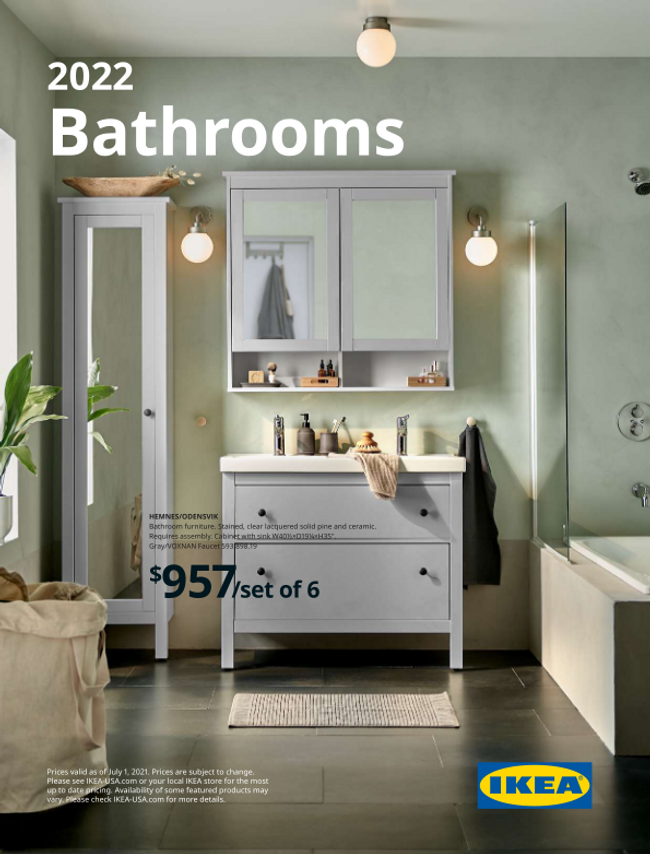
Checkout all our Home Decor Catalogs: Furniture, Accents, Art, Beddings and Lighting. For more home improvement ideas.

Popular Savings Offers


Free Catalog
Get FREE Catalog to browse Your Guide to Medicare Prescription Drug Coverage products

Your Guide to Medicare Prescription Drug Coverage
Up to 60%
Save up to 60% on clearance

Chadwicks
Free Catalog
Get FREE Catalog to browse 4 Ways to Help Lower Your Medicare Drug Costs products
.jpg)
4 Ways to Help Lower Your Medicare Drug Costs
Free Shipping
Free shipping on orders over $99

Lands' End - Home


$10 OFF Plus Free Shipping
$10 OFF Plus Free Shipping
.png)
Blair Catalog
In the News

Top 60 Free Catalogs Online That You Can Easily Flip Through
by Catalog Editor StaffIn this day and age, almost everything can be done in a snap including shopping right through our fingertips. Since everyone wants what is convenient, people settle for less-hassle options to shop and grab the things that they want or are essential for them. To date, there is a number of free mail-order catalogs and digital catalogs out there from different companies which can be ordered and sent to your mailbox for free. Here is a comprehensive list of the top 60 free catalogs online that you can order or grab at Catalogs.com.

Trendiest Fashion Jewelry that is In: Ultimate Fashion Guide
by Catalogs Editorial StaffOne day it’s in and the next day it’s not. You know the rest. Fashion jewelry, like clothing, changes continually. To help you be on-trend, we’ve put together a list of the latest styles seen at fashion shows around the globe. Are you ready? Let’s dive in!
Catalogs have long been among the best tools for developing an interior design vision, offering curated collections of furniture, textiles, lighting, and accessories that let you picture how pieces work together before a single item arrives. Whether you are freshening a single room or reimagining an entire floor plan, browsing interior design catalogs helps you build a coherent style language — one that reflects how you actually live rather than simply what looks striking on a showroom floor.
Defining Your Design Direction
Strong interiors start with a clear point of view. Before adding anything to a room, identify the mood you want it to create — calm and minimal, layered and eclectic, warm and traditional, or something in between. Pull together a loose collection of images, fabrics, or paint chips that appeal to you, then look for the thread connecting them. That thread — a recurring color temperature, a consistent material palette, a shared scale of pattern — becomes your editing tool. It tells you which catalog items belong in the room and which ones, however appealing on their own, will pull the space apart.
Balancing Aesthetics with Practical Needs
A beautiful room that fights how you use it is exhausting to live in. Map your daily movement through each space before committing to a furniture arrangement. A sofa positioned for visual symmetry may block natural light or create traffic bottlenecks. In a dining room, leave enough clearance for chairs to pull out fully without brushing the wall. For home offices, prioritize task lighting and ergonomic seating before decorative accents. Catalogs make it easier to plan practically because they include dimensions for every piece — use them, and measure your rooms carefully before ordering.
Layering a Room Over Time
The most livable interiors are rarely finished all at once. Starting with a few well-chosen anchor pieces — a sofa, a rug, a central lighting fixture — and adding layers gradually gives you room to discover what a space actually needs as you inhabit it. Catalog shopping supports this approach naturally: you can return to the same source for a coordinating accent chair months after the initial purchase, knowing the design language will remain consistent. Textiles, artwork, and smaller decorative objects added in subsequent rounds personalize a room in ways no single shopping trip can achieve.