

Promotional Items
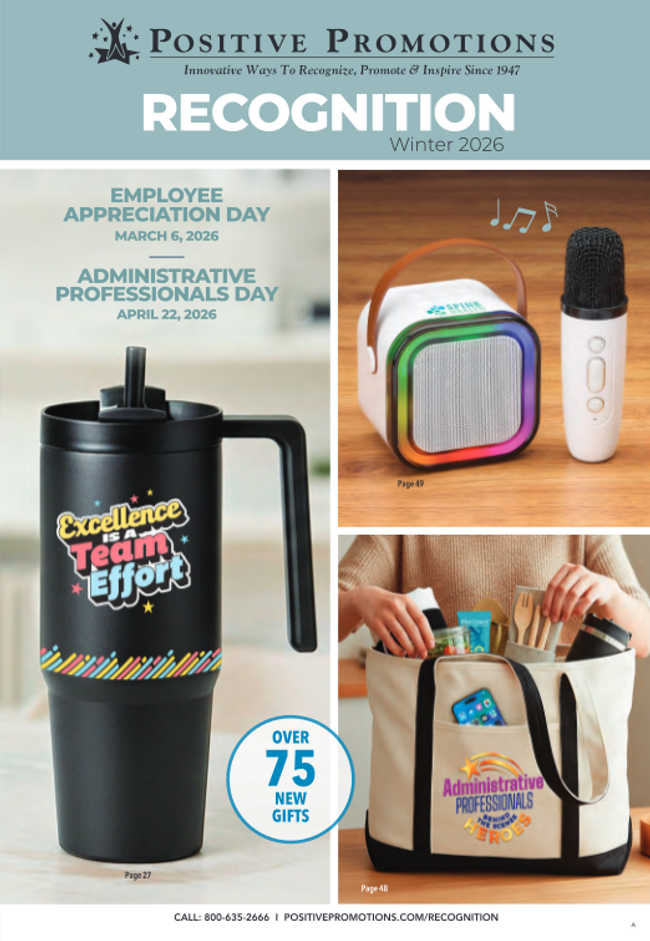
Find great tradeshow promotional items like pens, shirts, and bags as well as other types of promotional giveaways and products.
Popular Savings Offers
Up to 60%
Save up to 60% on clearance

Chadwicks

Free Shipping
Free shipping on orders over $99

Lands' End - Home
Free Catalog
Get FREE Catalog to browse Your Guide to Medicare Prescription Drug Coverage products

Your Guide to Medicare Prescription Drug Coverage

$10 OFF Plus Free Shipping
$10 OFF Plus Free Shipping
.png)
Blair Catalog

Free Catalog
Get FREE Catalog to browse 4 Ways to Help Lower Your Medicare Drug Costs products
.jpg)
4 Ways to Help Lower Your Medicare Drug Costs


In the News

Fun Family Fall Activities: Making Most of the Season
by Editorial StaffWhen summer’s heat finally starts to loosen its sweaty grip, it is time to take advantage of the cooler weather and make time for some family fun before winter swoops in and turns the outdoors into an icy wasteland.
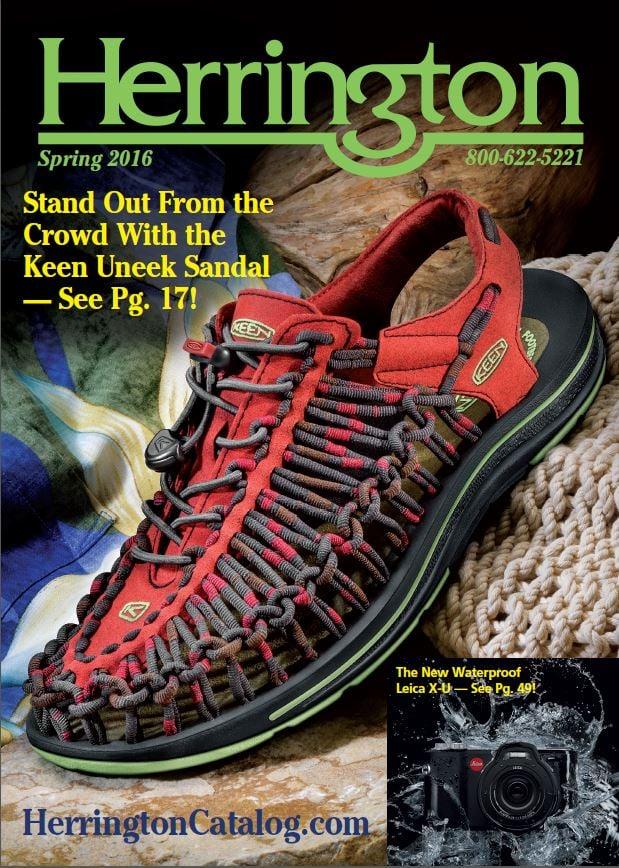
What Ever Happened To The Herrington Catalog?
by Catalogs Editorial StaffIf you’re wondering if you can still order a Herrington Catalog, well, you may not find it in print. But, here are some similar catalogs.
Sourcing promotional merchandise at scale requires more than a good-looking product — it demands reliable imprinting, consistent quality across large runs, and suppliers that can meet commercial deadlines. Promotional catalogs built for business buyers consolidate those requirements in one place, letting your organization compare minimum order quantities, decoration methods, and bulk pricing tiers without chasing quotes from a dozen individual vendors.
Aligning Products with Your Brand Standards
Your business's name and logo will appear on every item you distribute, so material quality and imprint accuracy matter more than per-unit savings. When evaluating catalog suppliers, prioritize those that offer Pantone-matched color options, multiple decoration techniques — screen print, embroidery, laser engraving, full-color digital — and physical pre-production proofs for high-volume orders. Items that feel substantial and well-made reflect well on your organization; items that feel cheap do the opposite, regardless of how competitive the price was.
Bulk Ordering and Fulfillment for Business
For your organization distributing across multiple locations, departments, or regional offices, fulfillment logistics are as important as the product itself. Many business-focused promotional catalogs offer warehousing, kitting, and direct-to-recipient drop-shipping services that eliminate the burden of receiving, storing, and redistributing large inventories internally. Establishing a standing program with a catalog supplier — where your approved items are stocked and available for on-demand ordering — can reduce lead times and administrative overhead significantly compared to placing large one-off orders before each campaign or event.
Measuring Value and Managing Budget
Your business should track cost-per-impression across promotional programs the same way it evaluates other marketing spend. Items distributed at industry conferences, included in direct-mail packages, or given to customers at point of sale each carry different reach and repetition profiles. Catalog pricing structures reward higher quantities, so consolidating orders across departments or campaigns when item types overlap can improve margins without sacrificing variety. Document supplier performance — lead times, defect rates, reorder ease — to build a reliable vendor roster your organization can depend on across fiscal cycles.