

Outdoor Clothing
Outdoor Enthusiast catalogs include Boating & Fishing, Camping, and Outdoor Clothing.






.png?w=3840 "Order Free Catalogs from Bali Swim")
Popular Savings Offers


.jpg)


---
30% Off everything

Leather Coats
In the News

Top 10 Health and Beauty Catalogs to Fire Up Your Summer
by Catalog Editor StaffWhether your summer goal is planning a weight loss program or a get-together by the beach with some friends as an outdoor activity, we have the perfect catalog to inspire, plan and shop for your summer must-haves. Start browsing these fun summer catalogs to begin your summer goals. Check these out.

10 Father’s Day Gift Catalogs: Find Awesome Gifts Dad Will Love at Catalogs.com
by Catalog Editor StaffConsider this your go-to free catalog resource when it comes to gifts for your dad. Browse some of our favorite catalogs below with the latest clothing, sports gear, gadgets food, and spirits from popular brand names dad will love.
When you spend real time outside — whether that means pre-dawn hunts, all-day hikes, or afternoons on the water — the clothing you wear matters as much as any piece of gear. Outdoor clothing catalogs bring together apparel built specifically for those conditions: fabrics that manage moisture, layers engineered for warmth-to-weight ratios, and cuts that move with you rather than against you. Browsing a dedicated catalog lets you compare technical features side by side and find pieces suited to the activities and climates you actually face.
Understanding Technical Outdoor Apparel
Outdoor clothing works in a system. A moisture-wicking base layer moves sweat away from skin, an insulating mid-layer traps warmth, and a weather-resistant shell blocks wind and rain. Knowing this framework helps you shop smarter. Look for jackets rated by waterproofing level, insulated pieces that specify fill power or synthetic warmth ratings, and base layers labeled by weight — lightweight for aerobic activity, midweight for cooler temps and rest stops. Catalogs that specialize in outdoor apparel explain these specs clearly, so you can build a layering system matched to your pursuits.
Dressing for Specific Outdoor Activities
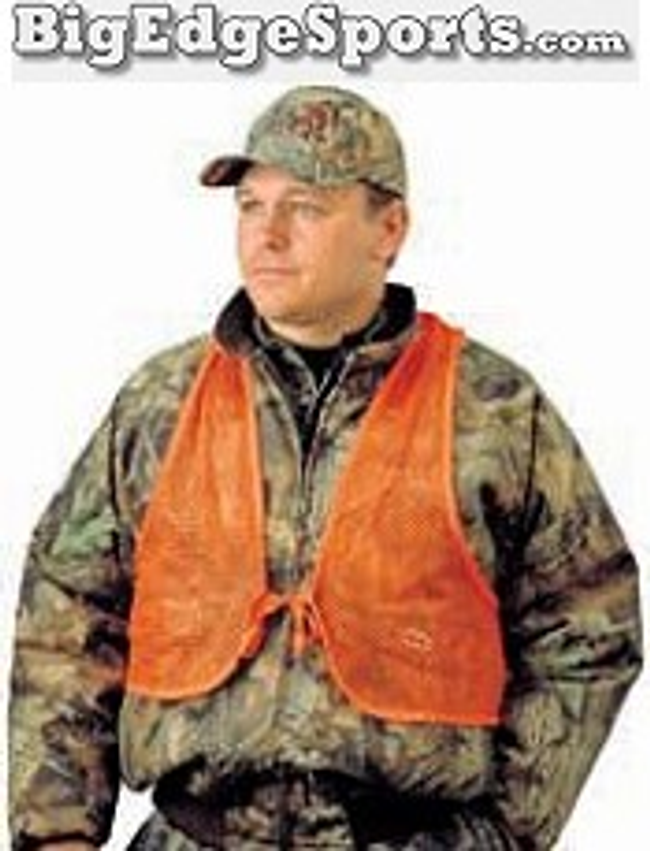
A bird hunter needs blaze orange and quiet fabric that won't spook game. A trail runner needs lightweight shorts and a packable wind shell. A sea kayaker needs quick-dry pants and a paddling jacket with sealed cuffs. Outdoor clothing catalogs tend to organize by activity — hunting, fishing, hiking, climbing, watersports — making it straightforward to find garments purpose-built for what you do. Pay attention to activity-specific details: articulated knees for climbing, reinforced seat panels for cycling, or UPF sun protection for fishing and alpine use.
Getting the Right Fit and Long-Term Value
Outdoor apparel is an investment, and fit is critical to performance. A shell that's too tight won't layer properly; a jacket that's too loose catches wind and creates drag on skis. Most outdoor clothing catalogs include detailed sizing charts and fit notes — slim fit for athletic use, relaxed fit for layering over bulkier insulation. It's also worth reading care instructions before you buy: quality outdoor garments often require specific washing to preserve DWR coatings and insulation loft. Choosing durable, repairable pieces from reputable catalogs pays off over many seasons of hard use.