

Babies - Children - Toys
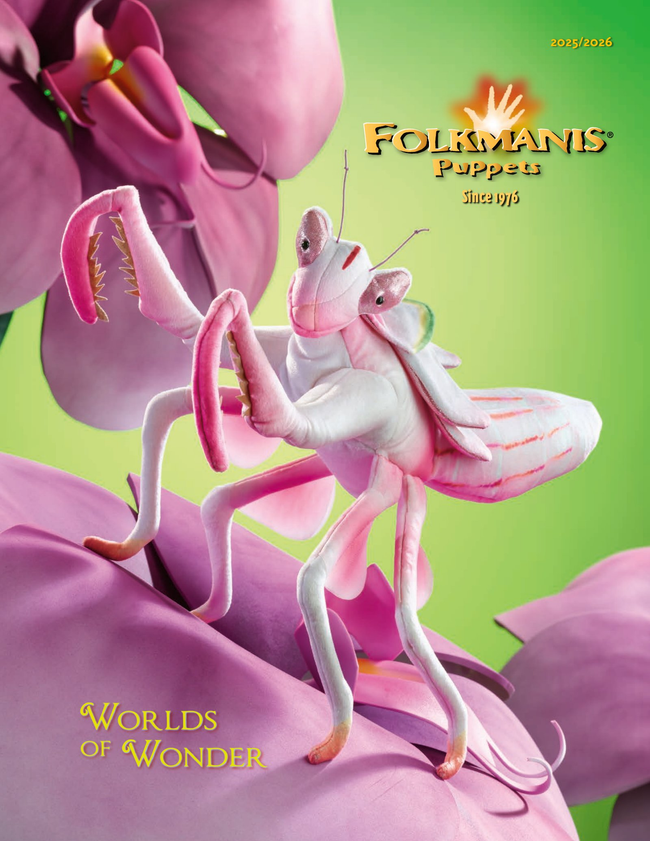
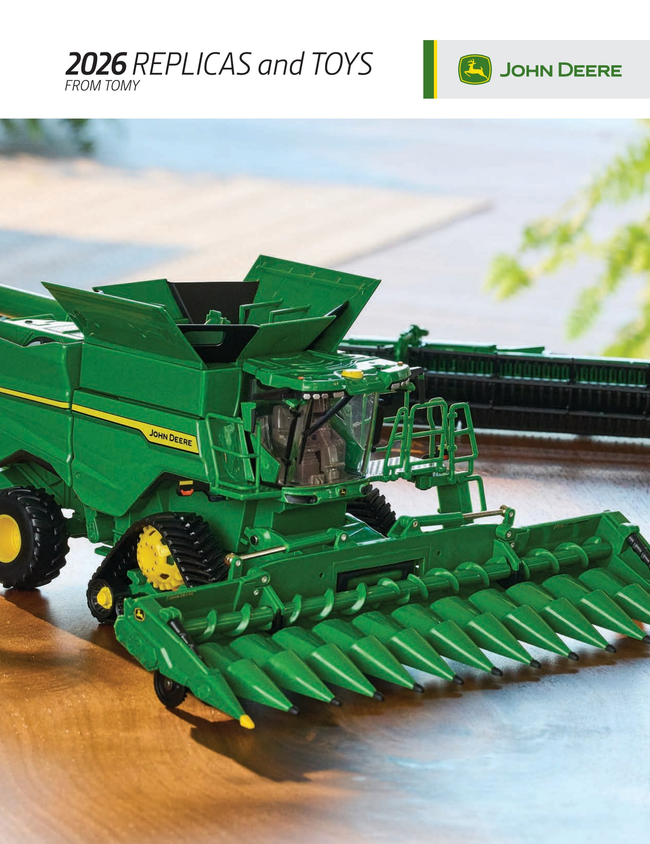
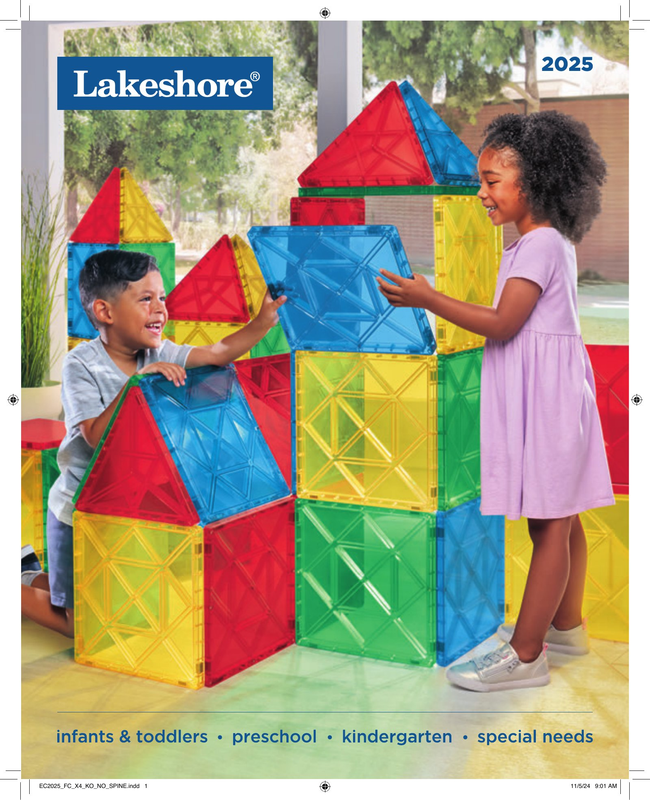
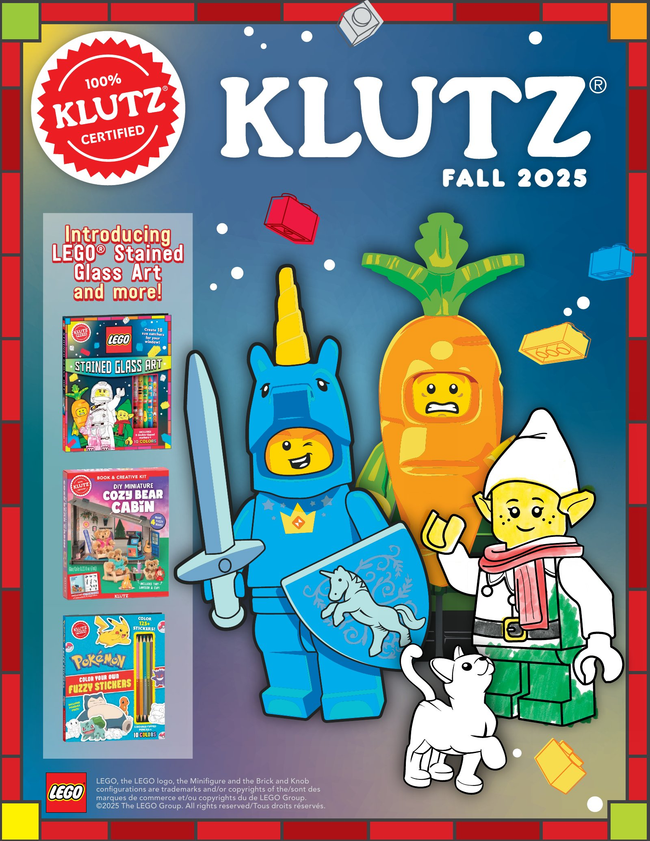
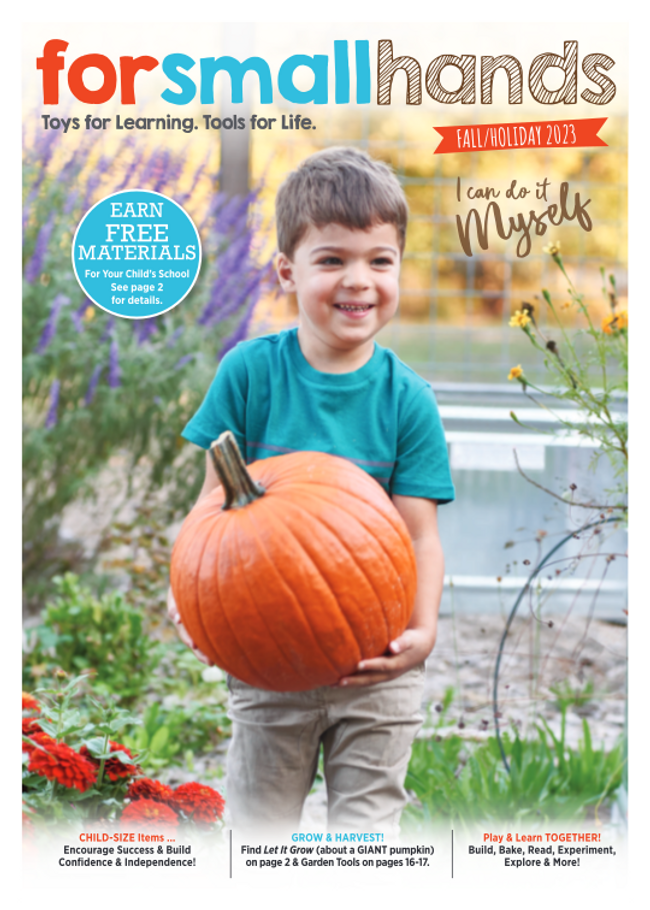
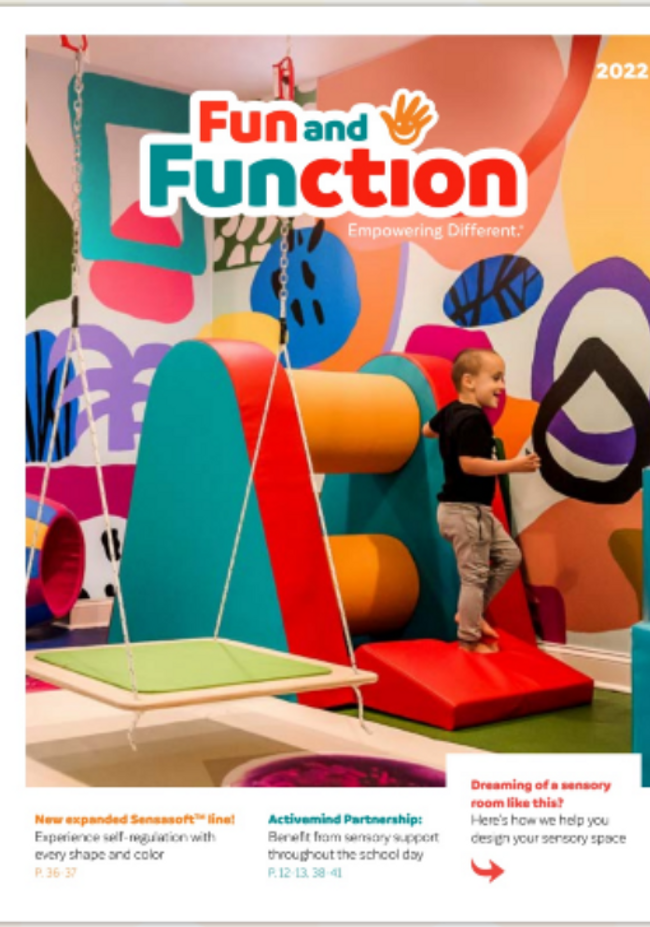
Browse free children's catalogs covering toys, baby gear, books, nursery essentials, and hands-on learning kits - including the 2025-2026 lineup from Schleich, Hape, Folkmanis Puppets, Bruder, ERTL John Deere, Plus-Plus, Educational Insights, and the American Printing House. Order printed brochures by mail or flip through digital editions instantly to compare age-appropriate toys, plan birthday and holiday gifts, and discover specialty brands you won't find in local stores.
.png?w=3840 "Order Free Catalogs from Music In Motion")

Popular Savings Offers
Free Shipping
Free shipping on orders over $49
.png)
Oriental Trading - Teachers Supply

Up to 50% Off
Up to 50% Off on Clearance
.png)
Highlights for Children
Free Shipping
Free Ship to store - no minimum

Beall's Kids
Free Shipping
Free Shipping
.png)
The Children's Place
Free Shipping
Free shipping

Gamefly


In the News

Bathroom Safety Equipment Installation: Useful Senior Care Tips
by Catalogs Editorial StaffA senior safe bathroom can be beautiful too

Top 60 Free Catalogs Online That You Can Easily Flip Through
by Catalog Editor StaffIn this day and age, almost everything can be done in a snap including shopping right through our fingertips. Since everyone wants what is convenient, people settle for less-hassle options to shop and grab the things that they want or are essential for them. To date, there is a number of free mail-order catalogs and digital catalogs out there from different companies which can be ordered and sent to your mailbox for free. Here is a comprehensive list of the top 60 free catalogs online that you can order or grab at Catalogs.com.
Shopping for kids through catalogs has always offered something a quick e-commerce search can't: the chance to slow down, read carefully, and compare products against your child's actual age, stage, and interests. From newborn essentials and nursery furniture through classic toys, learning kits, puppets, model vehicles, and books for every reading level, this department pulls together the catalogs families have trusted for decades alongside a refreshed lineup of current 2025-2026 brand brochures. Order them by mail, flip through them online, or do both - they're all free.
Children's Catalog Categories at a Glance
The children's catalogs collection breaks down into a handful of clear segments, and most parents end up bouncing across two or three of them depending on age and occasion:
- Baby gear and nursery furniture - cribs, gliders, changing tables, strollers, carriers, monitors, bedding, and decor for setting up a new room.
- Infant and toddler toys - high-contrast sensory toys, stackers, soft books, push-and-pull walkers, and shape sorters from companies that specialize in early development.
- Preschool and early-learning - Hape wooden play sets, Plus-Plus building pieces, magnetic tiles, art supplies, and pretend-play kits that build motor skills and creativity.
- Classic and collectible toys - Schleich animal figurines, Bruder working trucks, ERTL John Deere die-cast tractors, dolls, and puppets like the lifelike pieces in the Folkmanis catalog.
- Educational and classroom catalogs - hands-on science, math, and literacy kits from publishers like Educational Insights, plus accessible learning materials from the American Printing House catalog for students who are blind or have low vision.
- Children's books and reading - leveled readers, picture books, classic chapter-book series, and personalized story books.
- Kids' clothing, shoes, and outerwear - covered in depth in the sibling Children's Clothing sub-department.
What to Look For in a Children's Catalog
A good children's catalog does three things well: it organizes products by developmental stage rather than just chronological age, it gives specific notes about what each toy actually teaches or supports, and it shows real photography of the product in use. The brands worth requesting are usually the ones with the longest catalog histories - they've been refining their lineups for decades and tend to lean on durable materials, safety certifications, and play patterns that hold a child's attention for more than a single afternoon.
When you're flipping through, watch for European-made wooden toys (Hape, Plus-Plus), hand-painted detailing (Schleich animals), and brands that publish their age recommendations alongside the developmental skill the toy targets - fine-motor, spatial reasoning, language, social play. Catalogs that bury this information or read like generic gift guides are usually thinner on substance than the ones that explain why a toy works.
Age-Appropriate Toys, Books & Gear
The fastest way to use a stack of children's catalogs well is to sort by age band first, then shop within each band:
- 0-12 months: nursery furniture, bedding sets, soft sensory toys, teethers, board books, soothers, and bath gear. Baby gear catalogs are especially helpful for comparing strollers, car seats, and carriers side by side.
- 1-3 years (toddler): stackers, shape sorters, push toys, simple wooden puzzles, chunky crayons, and large-scale building pieces like Plus-Plus BIG. This is also the sweet spot for first-puppet introductions from Folkmanis.
- 3-5 years (preschool): imaginative play - dolls, pretend kitchens, dress-up, train sets, Hape construction sets, Bruder trucks, art kits, and early-literacy boxes from Educational Insights.
- 5-8 years (early grade school): Schleich animal collections, ERTL John Deere tractors and combines, beginner board games, classic chapter books, STEM kits, and craft projects.
- 8-12 years (tween): model-building, advanced art supplies, science kits, sports gear, and reference-style books. Many specialty catalogs at this age skew toward gifts grandparents and aunts/uncles love giving.
If your household includes a child who's blind, has low vision, or learns differently, the American Printing House catalog is the standout resource - it's a working tools catalog used by teachers of the visually impaired across the U.S. and one of the few catalogs in this department that's also a buying resource for IEP teams and homeschoolers.
Free Children's Catalogs by Mail
Every catalog in this department is free to request. Most arrive as printed brochures within one to three weeks, and many also include a digital edition you can flip through immediately on the catalog page. Print catalogs are still the easiest way to share a wish list with grandparents, sit down with a child and let them mark favorites, or build out a baby registry without staring at a phone. Digital editions are perfect for last-minute gift hunting, browsing on the couch, or sending a specific page to a co-parent.